

Apollo Bunder, Mumbai
Gateway of India Mumbai History – Complete Visitor Guide
The history of the Gateway of India in Mumbai: when it was built, why, who designed it and how to visit.
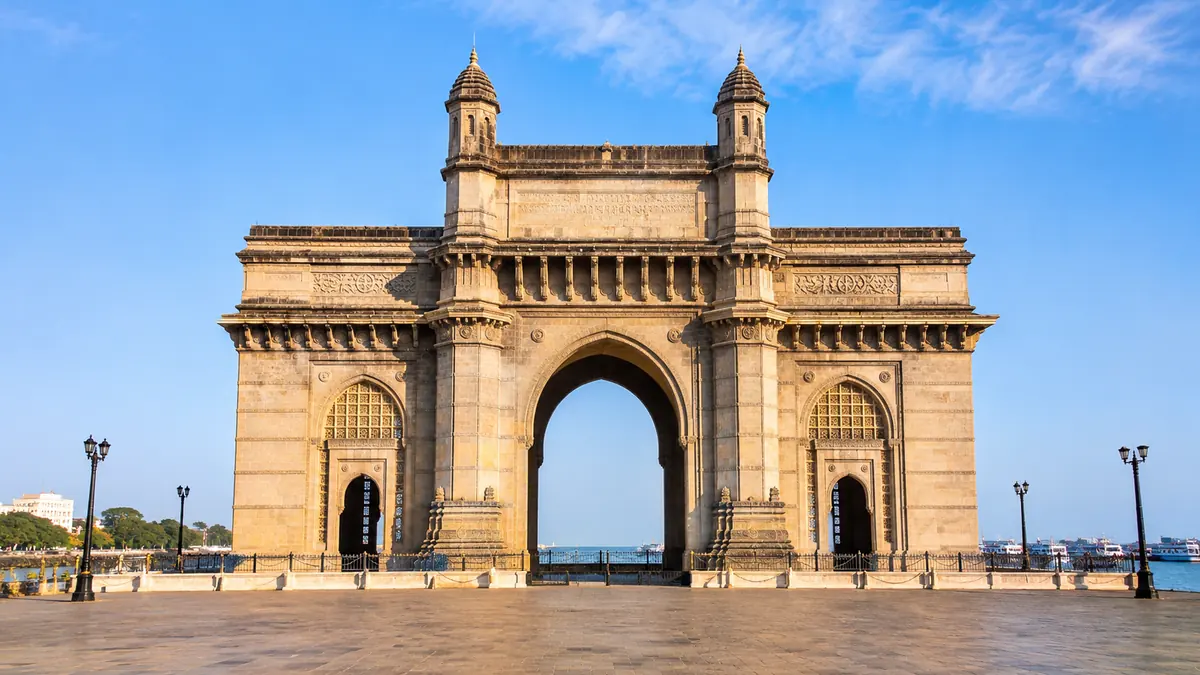
Overview
Gateway of India Mumbai History – Overview
The Gateway of India Mumbai history begins with a royal visit. The monument on the Mumbai waterfront was completed in 1924 and is one of the best-known landmarks in India.
This page explains the history, design and how to visit, along with ferry connections to Elephanta Caves. We do not give ferry timings or fares, because they change.
Origin
Why Was the Gateway of India Built?
The arch is generally linked to the 1911 visit of King George V and Queen Mary to India, when they landed at Apollo Bunder. A foundation stone was laid, and the structure was completed in 1924. It is an arch about 26 m high.
The monument
Design and Architecture
It combines Indo-Saracenic style with Gujarati influences. The arch is made of yellow basalt and reinforced concrete. The architect most often credited is George Wittet.
Later history
The Gateway After 1947
The Gateway is also remembered for its role in the end of British rule: British troops are recorded as leaving India through it in 1948. Today it is a public space and a popular photo spot.
Plan
How to Visit
The Gateway is on the waterfront in the Colaba and Fort area of south Mumbai. Jetties nearby serve ferries to the Elephanta Caves, which take roughly 45–60 minutes by boat. Check the latest ferry rules before you go. Nearby sights include the Chhatrapati Shivaji Maharaj Vastu Sangrahalaya and a grand heritage hotel that stands opposite the monument. The arch stands in an open public area, so there is usually no ticket for the monument itself.
Nearby
What to See Around the Gateway
The area around the Gateway is rich in Mumbai heritage. A grand heritage hotel stands opposite the monument, and the Chhatrapati Shivaji Maharaj Vastu Sangrahalaya, which opened in 1922 and holds around 50,000 artefacts, is a short distance away. Ferries to Elephanta Caves leave from nearby jetties.
- The heritage hotel opposite the Gateway (exterior view)
- Chhatrapati Shivaji Maharaj Vastu Sangrahalaya
- Colaba Causeway market
- Ferry to the Elephanta Caves
Travel smart
Plan Your Visit: Practical Tips
Crowds, security checks and ferry rules can change, so plan with some buffer. These tips make the visit easier.
Crowds peak during the day, and the light is softer in the morning and late afternoon.
Tourist spots attract pickpockets.
If you plan to take the ferry to Elephanta, check the latest ferry rules before you go.
Weekends are busy, so a weekday visit gives clearer photos.
Parking is limited in this part of south Mumbai, so a cab with a driver is easier.
Book a cab
Reach Gateway of India, Mumbai With Siya Travels
Siya Travels can arrange a cab with a driver for the Gateway of India from Mumbai, Pune or Navi Mumbai and nearby cities, as a one-way transfer or a full-day trip.
Tell us your date, pickup point and group size. We reply with a quotation and suggest a sensible route, so you can combine nearby sights without rushing.
Share the pickup point, drop point, travel date, pickup time and the number of passengers using the form on this page, on WhatsApp or by phone on +91 98600 80525.
Pick a sedan, Ertiga, Innova Crysta, Tempo Traveller or Urbania based on group size and luggage. Tell us if you have senior citizens or small children travelling.
We reply with a quotation for Mumbai to Gateway of India, Mumbai. Ask clearly whether tolls, parking and driver allowance are included, so there are no surprises.
Once you confirm, we share the vehicle and driver details before pickup. Keep the driver’s number handy for the pickup point.
Summary
Gateway of India Mumbai History: Quick Summary
The history of the Gateway of India in Mumbai: when it was built, why, who designed it and how to visit.
- Completed: 1924
- Height: about 26 m
- Style: Indo-Saracenic
- Material: Yellow basalt, concrete
Planning more than this one trip? See our Pune Mumbai Taxi, Mumbai Pune Taxi, Mumbai Airport Cab and Aurangabad Taxi Service for related routes, vehicles and services.
Related guides
More From Siya Travels
FAQ
Gateway of India Mumbai History – Frequently Asked Questions
When was the Gateway of India built?
The Gateway of India was completed in 1924. A foundation stone was laid earlier, after the 1911 royal visit.
Why was it built?
It is linked to the 1911 visit of King George V and Queen Mary, who landed at Apollo Bunder.
Who designed it?
George Wittet is the architect most often credited.
How tall is it?
About 26 m.
Can I take a ferry from here?
Ferries to Elephanta Caves depart from nearby jetties. Check the latest ferry rules before you go.
What are the visiting hours?
The Gateway stands in an open public area on the waterfront, so there is usually no fixed ticket or timing for the monument itself. Security and crowd rules can change, so plan with some buffer.
Is Gateway of India, Mumbai suitable for children and senior citizens?
Most visitors manage it, but walking, steps, heat and crowds differ by place and season. Choose a comfortable time of day, carry water, and tell your driver if anyone needs extra rest stops.
Can Siya Travels arrange a cab for Gateway of India, Mumbai?
Yes. Send your date, pickup point and number of passengers using the form on this page, on WhatsApp or by phone on +91 98600 80525. We reply with a quotation.
Plan Your Trip With Siya Travels
Call +91 98600 80525 or send your trip details on WhatsApp. We reply with a quotation.